

I guess you are wondering how I do budgeting and money management in today’s economy. The answer is yes; no matter how much your income is, it is possible to save and be financially disciplined with the right knowledge. Below I will share some of the ways that can assist anyone to save, no matter how much you earn.
Today’s economies demand endurance, adaptability, creativity, and smart thinking, as well as a good strategy when it comes to saving money. With rising inflation, high prices for products, and a high cost of living, for many, especially those who earn low incomes, it becomes exhausting and tiresome when trying to save money.
In this article, I will describe the steps you can take to save money in both challenging and prosperous economies. Be it that you are new to earning income, you are approaching your retirement, or you have awful spending habits, this article will give you a step-by-step guide that can help you to save money, no matter the country you live in. So hold tight, and let’s explore everything.
What budgeting and money management?
Budgeting refers to the process of creating a strategic spending plan that allows you to track where your money comes in and where it goes. Money management involves the concept of budgeting; it is the process of managing expenses, income, and savings to meet long-term financial goals.
To be able to achieve financial freedom for yourself, it is vital for you to learn why budgeting truly matters in today’s economy. Budgeting without the necessary knowledge can significantly complicate your financial life in today’s economy. Once you understand the importance of budgeting, you will want to begin. Follow this guide on how to start budgeting.
What are the hindrances to saving money?
Low income: most of the time beginners find it so hard to budget because their income is low. Most of their earnings get used up while trying to pay their expenses.
High rising cost. Living in countries with low economies and rapidly rising living costs makes it hard for individuals to save. Moreover, there are few job opportunities for individuals; hence, they depend on hand-to-mouth living, making it difficult to save.
Inflation. Prices of goods and services in low economies are always unpredictable; hence, it becomes difficult to embark on trying to save money.
Why is it important to save money
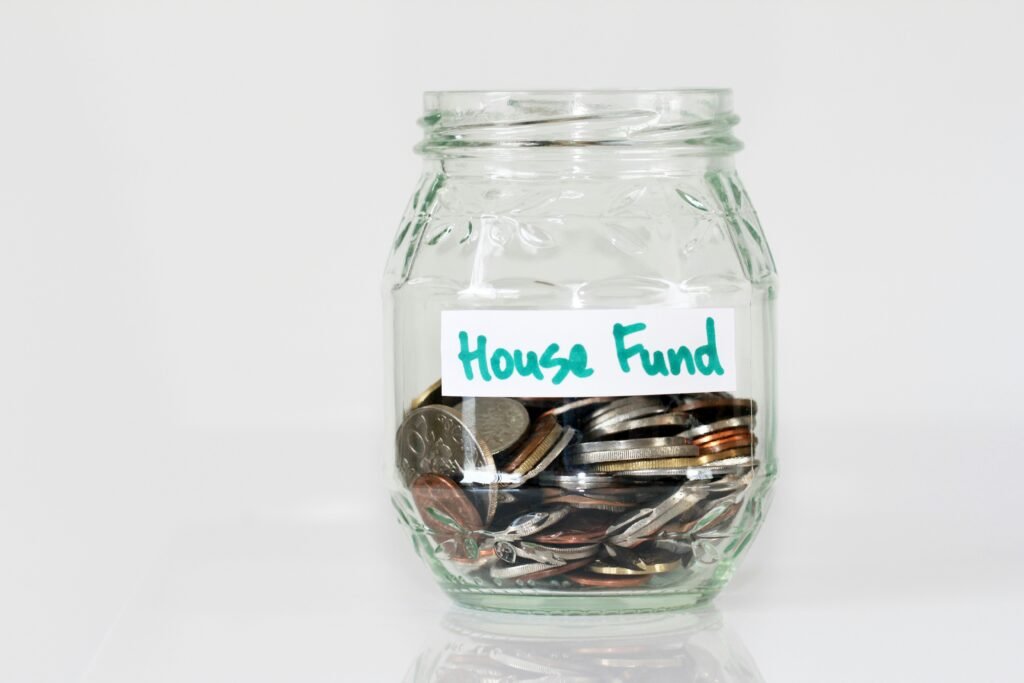
It gives you peace of mind. Knowing that you have your savings for future uncertainties prevents you from suffering from anxiety. It also gives you room to spend more of your time with family.
It allows you to meet your goals. Whether you want to achieve both short-term and long-term goals, saving gives you the ability to do so.
Stay prepared for unpredictable life situations. Saving money makes you stay free during uncertain life situations, like death, emergencies, or job loss.
Retirement. When most people worry about how they will survive their retirement, saving money helps you stay prepared.
9 budgeting and money management tips to know in this type of economy.
- Tracking spending
In this economy, one of the best ways to save is to track your monthly spending. For example, you could start by tracking how much you spend on your car gas or transport every month.
Tracking your spending reveals your monthly expenses, which many people often overlook, and this information is useful because it allows you to identify areas where you can cut costs.
Moreover, tracking spending allows you to stick to your budget. Like most people, we have a budget plan, but we often fail to stick to it due to impulsive spending and a lack of financial knowledge. To survive in this type of economy, budgeting is a useful tool because, to successfully save money today, one has to be financially disciplined and control their spending, and planning is fundamental in achieving discipline and healthy money-spending habits.
- Pay off debt.
In this savage jungle economy, saving is vital but challenging due to its demands. We end up borrowing money from a company or someone else to meet the demands of the current economy. Such an environment makes it difficult to save because every time you earn your money, you are forced to settle debts.
To save well in this economy, it is wise to consider paying all bills and setting aside your savings and making all the necessary payments before spending your income. Another way to survive with savings is to totally avoid using a card to make purchases and settle bills but rather use hard cash. It is often said that spending hard cash is more difficult than using cards, and this perspective could be beneficial for saving in this economy.
- Do a side hustle.
A side hustle job outside your occupation is another step you can take if you want to survive in this economy. Every task requires money, and to thrive, one must be willing to take on various tasks. If your current job isn’t providing enough income, you should consider starting a side hustle to help with debt payments, bills, and extra savings.
3. Sell unnecessary stuff.
To survive in this globalised economy, one has to be wise about how they decide to tackle everything. You can survive in this economy by selling all of your stuff that you do not necessarily use. Budget every dollar that you will get.
- Avoid wasting money on unnecessary expenses.
Saving is one of the wisest decisions one can make in 2026. If you are paying unnecessary subscriptions, it’s time to cut them off; you will renew them once in need. After cutting everything off, open a savings account where you will divert all the money used in paying the subscription for savings.
- Automate saving
If you are great when it comes to spending money and awful when it comes to saving money, then try automation to save money. This method is one of the easiest options you could try. It involves allowing the bank to transfer money out of your current account to a savings account every time you get paid. You could open multiple accounts depending on your goals.
- Shopping well
Buying most of your goods with coupon codes and prime codes and in bulk allows you to avoid constant fluctuating prices, especially in low economies. Compare prices at different outlets and buy when goods are on promotion. Avoid spending more money by buying lunch out or buying gifts rather than cooking at home. If your expenses are high on vehicle repairs and gases, try to catch the bus to work; it will allow you to save. Avoid spending money on mediocre Starbucks coffee; rather, serve yourself with your homemade coffee.
- Jot your plans down and budget money accordingly.
Most people underrate the power of jotting plans down. Choose a day to check your account balance, list the types of expenses you will need to settle in the upcoming week, and also consider whether you will have outings with friends. The next step is to allocate a budget for every activity that you will do.
Understand also how much you will wish to save and keep it until you approach another week or month. Take away that amount you want to enter a new week or month with, then allocate the outstanding balance to the activities you planned for the week or month. Moreover, consider paying yourself by setting up a standing order in a savings account for however much is affordable. Start small, and build it up as the months go by when you’ve got more money.
- Please consider creating a budget and adhering to it.
No matter what your country’s state of economy is, it is still possible to save today through creating a budget and sticking to it. A budget acts as a compass, guiding you in the direction that you want to head. If you tend to spend excessively in the beginning, it will be challenging to stick to your budget; however, you should create a budget that reflects your needs and essentials. Instead of putting all your money into savings, start by saving a small portion gradually, and over time, it will become easier for you. If saving for a specific item, open a goal saving account at your bank.
For example, when my partner and I get paid, we set aside money for shopping, groceries, and travel; my partner also uses their share to pay for household utilities, and we save what is left after all necessary expenses have been settled.
If you’re new to budgeting and don’t know where to start, you can buy an Excel tool through my Amazon affiliate link to help you track your spending. However, you should have a basic understanding of Microsoft Excel to use this tool effectively. This tool provides comprehensive guidance on creating a personalised Excel worksheet, tracking your expenses, categorising credit cards and cash, and calculating your net worth, assets, and incurred liabilities.
- Investment
Most economies are harsh, so one must invest more to survive. By investing, you will automatically be saving your money and, at the same time, watching your effort grow. This approach can be beneficial in the long run, but in challenging types of economies, it can be a bit tricky if there are wars or high levels of inflation.
If you are a teenager and you dream of living a financially independent life and you wish to change your background, I have a fantastic deal for you on how you can make more money. This book will teach you useful strategies if you aspire to build a business from scratch and how to find a profitable type of business to venture into and make a name for yourself. Try reading this book through my Amazon affiliate link.
In conclusion, to answer the question, is it possible to save in this type of economy? Yes, it is possible with the right strategies. You can save money, regardless of your country’s economy or your situation.